Silver had a wild year.
In January it hit an all-time high. Over $120 an ounce. Nothing like that has ever happened before, not even in 1980.
People saw the number and went looking. Coffee cans. Shoe boxes. That jar in the basement.
Then they hauled it all to coin shops and scrap buyers.
Most of those coins went to one place. The melting pot.
I did not sell mine. I am not going to. Here is why.
Melted is gone
The US pulled silver out of dimes and quarters after 1964. Half dollars hung on a little longer at 40 percent silver through 1970, which is a thing a lot of people do not know and it costs them money.
So the supply of real silver US coins is fixed. Nobody is making more of them. Every coin that goes in the pot is one less that exists, permanently.
A worn 1964 quarter is worth its silver and that is fine. But a 1916-D Mercury dime is worth more than a used car, and it weighs exactly the same as a common one. The scale does not know the difference.
The pot does not sort
When you sell a bag of silver by weight, nobody is going through it coin by coin. That is not how scrap works. They weigh it, pay a percentage of spot, and it moves on down the line.
Which is fine when everything in the bag is common. It is a disaster when one coin in there was worth forty times its melt value.
I have watched it happen. Guy brings in a coffee can and wants melt on the whole thing. There is a Standing Liberty quarter in there with a readable date. He would have taken eight bucks for a coin worth several hundred, and he never would have known.
This already happened once
In the 1960s silver ran up and the exact same thing happened. People melted coins by the ton. It got bad enough that Congress passed the Coinage Act of 1965 and pulled silver out of circulating coinage entirely, because the metal in a dime was worth more than a dime.
The coins that survived that wave are the ones collectors chase now. The ones that did not survive are the reason the survivors are scarce.
We are watching round two.
Yes, it is legal
To be clear, melting silver coins is legal. The federal rule that bans melting US coins — 31 CFR Part 82 — only covers cents and nickels. Nobody is knocking on your door over a silver quarter.
Legal and smart are two different things.
Check these before you sell
You do not need to be an expert. You need about ten minutes and a decent pair of reading glasses.
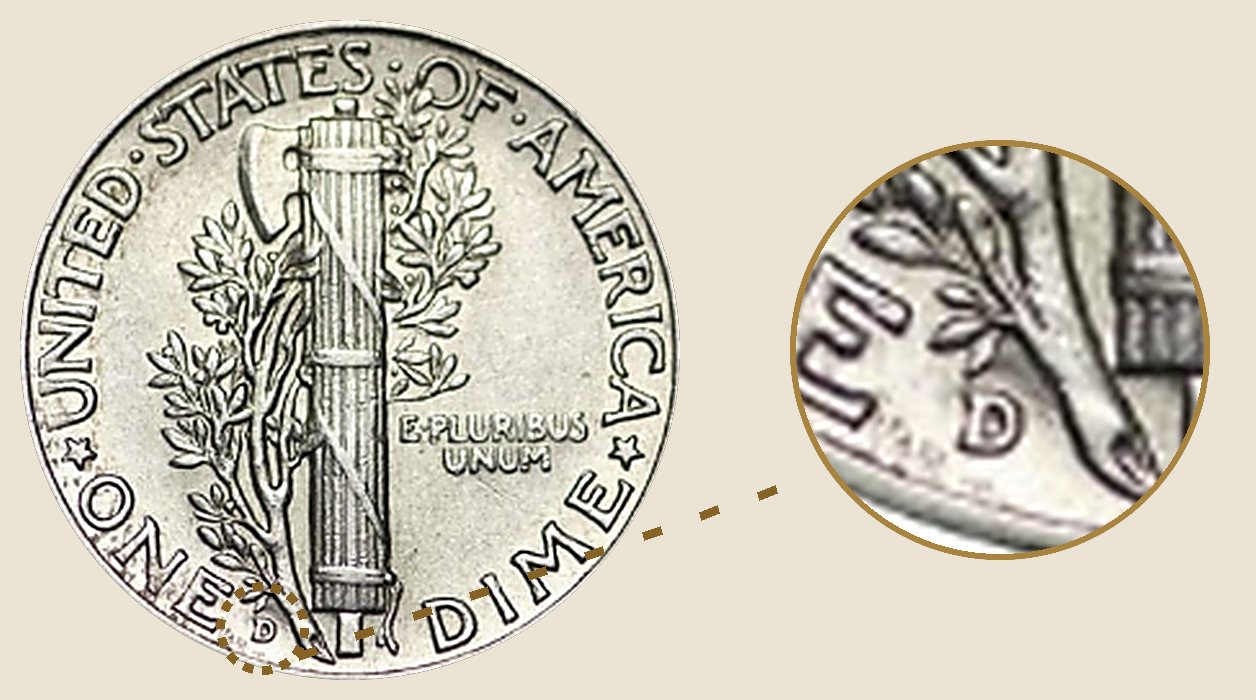
- Mercury dimes — 1916 to 1945
- Look for 1916-D, 1921, 1921-D. The mint mark is on the back, lower left, right past the E in ONE — see the photo above. The 1921 and 1921-D are worth real money even worn flat.
- Standing Liberty quarters — 1916 to 1930
- 1916 is the one. Dates wear off these fast, so if you can read a date at all, look twice.
- Walking Liberty halves — 1916 to 1947
- 1921, 1921-D, 1938-D.
- Barber coins — 1892 to 1916
- Liberty head facing right, wreath on the back. Dimes, quarters and halves. The whole series is worth a second look.
- Morgan dollars — 1878 to 1921
- CC means Carson City. That is the mint mark you want to find.
And this one matters no matter what the date says: if a coin looks sharp and shiny with no wear on the high points, set it aside. Condition can be worth more than the date is.
What I would actually do
Sort it into two piles. Common worn silver in one. Anything off the list above, plus anything that looks uncirculated, in the other.
Sell the first pile if you want the money. Silver is high. That is a real reason to sell and I am not going to talk you out of it.
Get the second pile looked at by somebody who is going to actually look at it. Not weigh it. Look at it.
Bring it in
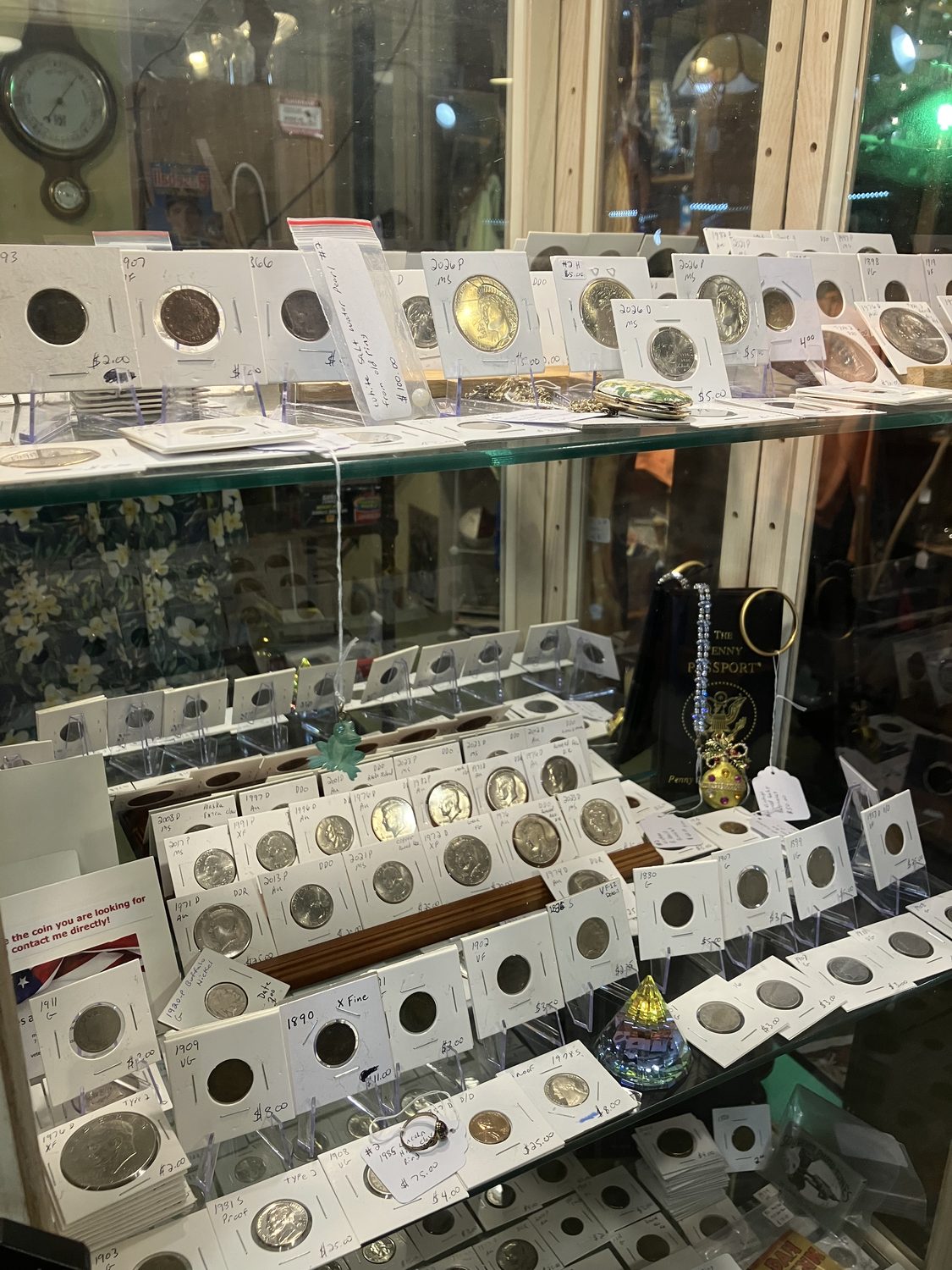
I am at the Abigail Page Antique Mall in Hudson. Bring what you have got and I will go through it with you. No charge to look, and I will tell you straight if it is all common. That is the answer most of the time, and it is still worth knowing before you sell.
If you would rather not haul a box anywhere, text me photos and I will tell you what I see. 715-702-1941.